


Storm Damage Roof Repair in Dayton, OH
Dayton takes a beating from the sky more often than most homeowners expect. Between hail-dropping thunderstorms in spring and summer, wind storms that peel back shingles at the edges, heavy snow that strains older roofing, and ice that forces its way under flashing, your roof faces real punishment year-round. The Miami Valley's unpredictable weather patterns mean a storm that rolls through on a Tuesday afternoon can leave behind damage that isn't obvious from the ground but quietly turns into a leak before the next rain arrives. Catching it early is the difference between a repair that takes a few hours and one that reaches into your attic and ceiling.
Prime Roofing works specifically in the Dayton area and understands what local storms actually do to residential roofs. That means looking beyond missing shingles to check ridges, valleys, flashing, vents, and gutters, where granule loss and subtle dents often tell the story of hail impact before a leak ever shows up inside. A complete inspection after any significant storm gives you a clear picture of what the damage looks like, how serious it is, and whether targeted repairs will protect your home or whether a broader section of the roof needs attention. That kind of informed starting point is what separates a real fix from a temporary patch that fails the next time a storm comes through.
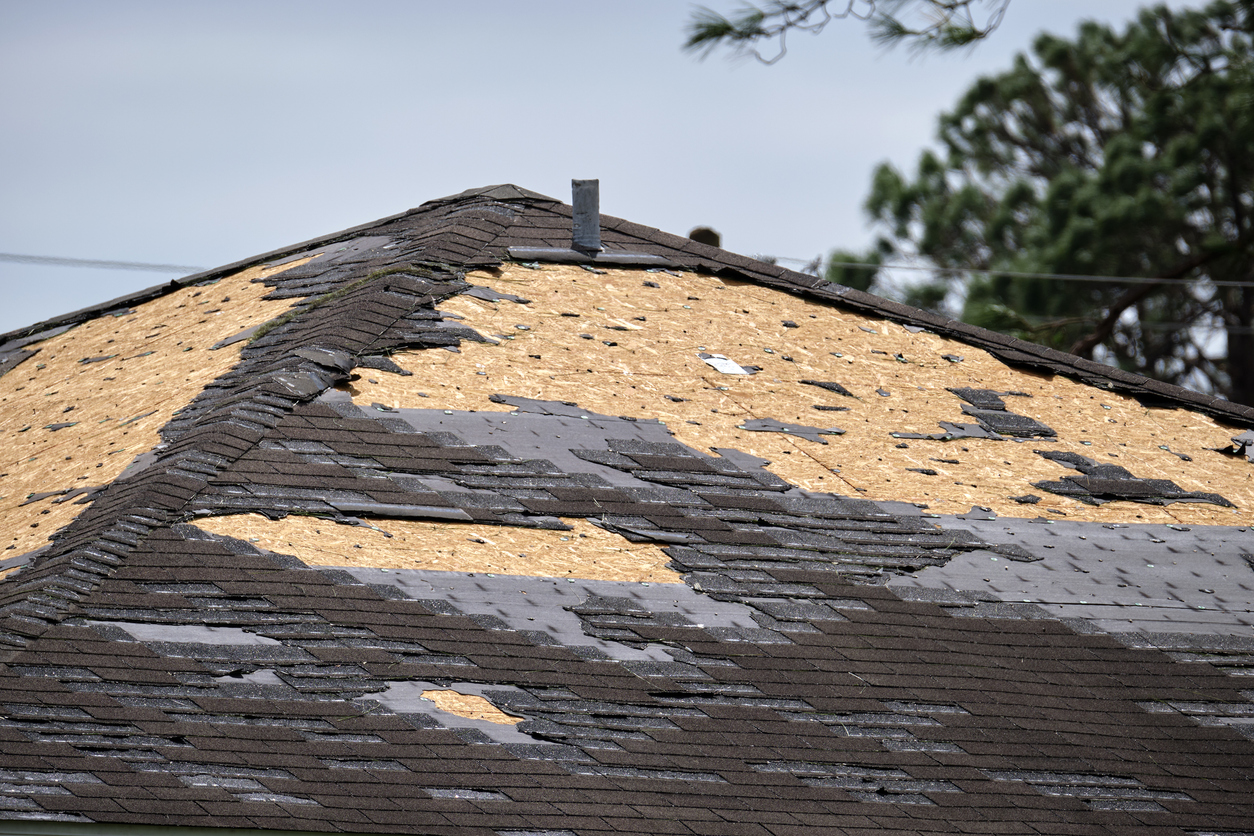
How Storm Damage Roof Repair Works in Dayton, OH
Storm damage can create a lot of questions, which is why having a clear process helps from the moment the roof is evaluated through the final repair. This is how the work is typically handled after a severe storm.
- Step 1: Full Storm Damage Assessment
The process begins with a thorough inspection of the entire roofing system rather than focusing only on the most visible areas. Shingles, ridges, hips, valleys, flashing, vents, and gutters are all examined for signs of storm-related damage. Particular attention is given to indicators such as displaced materials, impact marks, and granule accumulation that may point to hail or wind damage. This evaluation establishes the true extent of the issues before any decisions are made. - Step 2: Immediate Weather Protection Measures
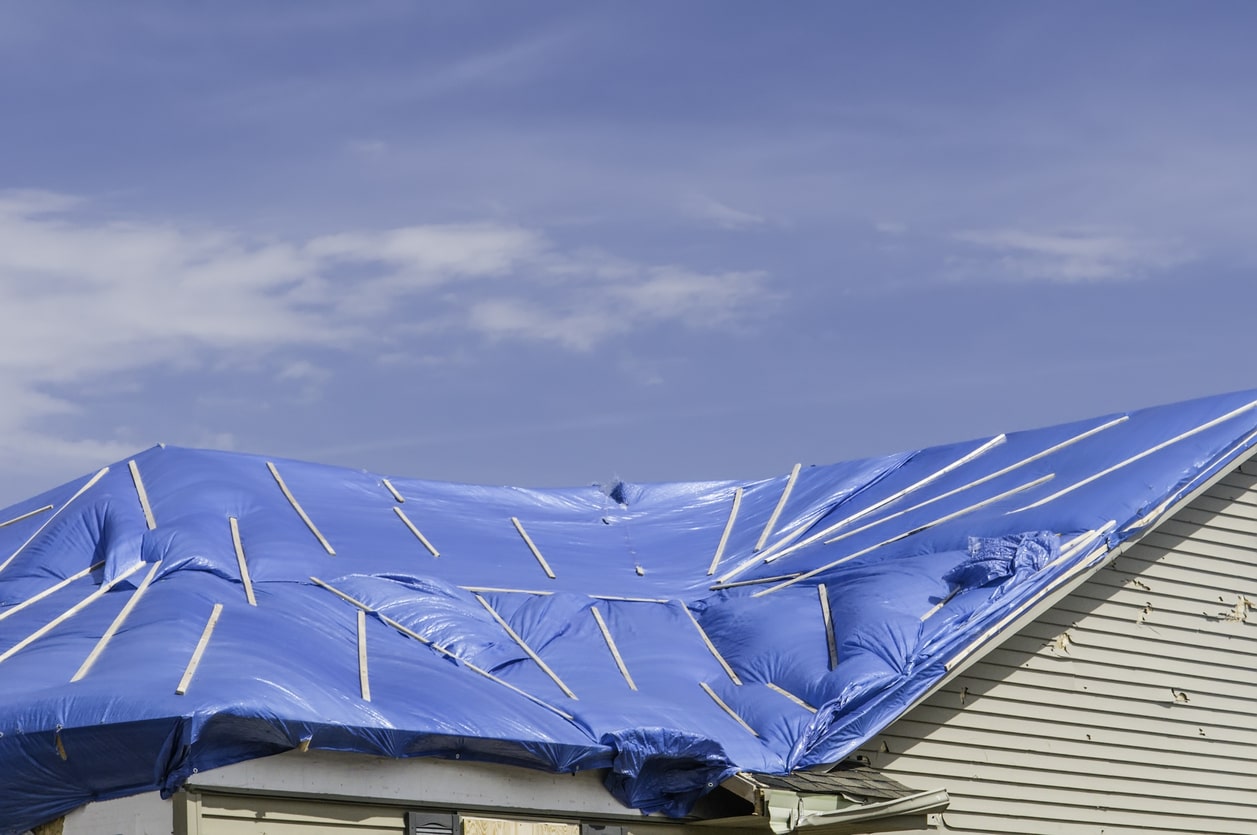
If the inspection reveals exposed sections that could allow water into the home, temporary protective measures are put in place. Depending on the situation, this may involve installing tarps or securing vulnerable areas to reduce the risk of additional interior damage. The goal is to stabilize the roof while preparations are made for permanent repairs. - Step 3: Findings Review and Repair Recommendations
Once the inspection is complete, the results are explained in straightforward terms. The damaged areas are identified, along with the repairs needed to restore proper performance. If the damage is limited to a small section of the roof, that is communicated clearly. Recommendations are based on the observed condition of the roof and nothing beyond what is necessary. - Step 4: Permanent Storm Damage Repairs
Repair work is then completed using materials appropriate for the affected roofing system. This may include replacing damaged shingles, repairing or replacing flashing components, and correcting leak-prone areas identified during the inspection. Many storm-related repairs can be completed during a single visit, depending on the extent of the damage and the areas involved. - Step 5: Repair Review and Project Completion
After the repairs are finished, the completed work is inspected to verify that all identified damage has been addressed. The repair areas are reviewed with you so the results can be seen firsthand, and any remaining questions can be answered. Any items requiring additional attention are resolved before the project is considered complete.

Get Storm Damage Repaired in Dayton, OH
Dayton's weather doesn't follow a predictable schedule, and roofs here take repeated hits from hail, wind, ice, and heavy rain across every season. Addressing storm damage quickly protects your home from the kind of hidden deterioration that starts small and grows quietly between storms. A roof that's properly repaired after a significant storm holds its value, keeps your interior dry, and gives you one less thing to worry about when the next system rolls through.
Prime Roofing serves homeowners throughout the Dayton area and is ready to help you figure out exactly where your roof stands and what it takes to get it back in solid shape. If a recent storm has you wondering whether your roof came through clean, reaching out for an inspection is a straightforward next step with no pressure attached.
Spotting Storm Roof Damage in Dayton, OH
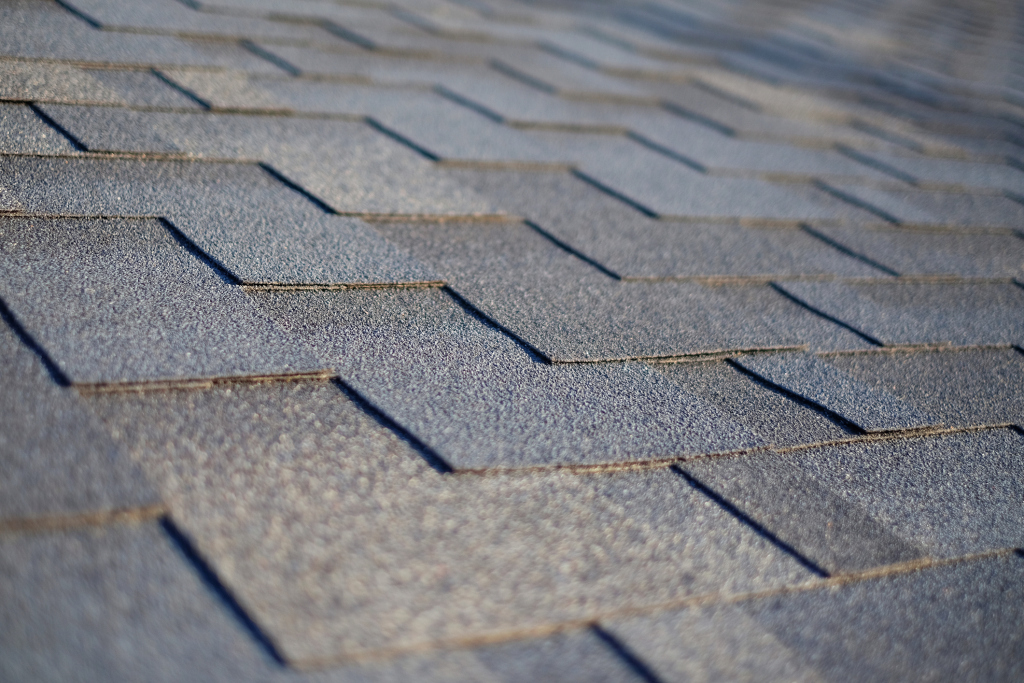
Not all storm damage announces itself with a visible hole or a missing shingle. Some of the most serious issues hide in plain sight, and knowing what to look for after a storm helps you act before a small problem turns into a leak that reaches your ceilings or walls.
| Damage Type | What Causes It | Why It Needs Attention |
|---|---|---|
| Hail dents on shingles | Impact from hailstones breaks down the asphalt surface | Accelerates granule loss and weakens shingle structure over time |
| Lifted or curling shingles | Wind gets under the shingle edges and breaks the seal | Leaves the roof deck exposed to rain and temperature changes |
| Granules in gutters | Hail or heavy rain strips granules from asphalt shingles | Signals shingle wear that can lead to leaks if not repaired |
| Damaged or separated flashing | Wind-driven debris or roof movement pulls flashing loose | Creates a direct path for water around vents, chimneys, and valleys |
| Soft spots or interior staining | Water gets past damaged shingles and saturates the deck | Hidden leaks can lead to mold and structural damage if ignored |
Dayton's storm season is unpredictable, and damage that looks minor from the ground can be hiding something more serious above. A complete inspection after any significant wind, hail, or rain storm gives you the clearest picture of where your roof stands and whether repairs are needed before the next storm rolls through.
Shingle-Level Repair for Wind and Hail Impact
Storm damage rarely affects just one shingle, and replacing only what's visibly broken often leaves surrounding shingles compromised. We address full affected sections so the repaired area blends with the existing roof and holds up under the same conditions that caused the damage in the first place.
Flashing Repair and Resealing at Vulnerable Gaps
Chimneys, vents, skylights, and roof valleys are the first places water finds a path through after a storm loosens or separates flashing. Resealing or replacing flashing at these points closes the gaps that lead to leaks well before any water staining shows up on your ceilings.
Gutter and Edge Damage Correction
Strong winds and heavy hail frequently damage gutters and drip edges along with the surface of the roof itself, and leaving those in poor shape redirects water back toward your fascia boards and foundation. Addressing gutter and edge damage as part of the repair keeps the full drainage system working the way it should after the storm has passed.
Repair vs. Replacement Scale Decision
Not every storm leaves behind the same level of damage, and a repair that covers a few shingles is a very different job from one that involves a larger section of the roof deck. We give you a straightforward read on which direction makes sense for your specific situation, so you're not overpaying for work your roof doesn't need or underfixing damage that will come back to haunt you.
Frequently Asked Questions
How soon after a Dayton storm should I get my roof inspected? chevron_right
Getting an inspection scheduled within a few days of any significant storm is the right move, especially after hail or high winds. Dayton's weather patterns mean another storm system can follow closely behind, and any exposed or weakened areas on your roof become a real problem when the next round of rain arrives. The longer damage sits unaddressed, the more likely it is to work its way past the shingles and into the roof deck beneath.
Is it possible for a storm to damage my roof without any shingles going missing? chevron_right
Yes, and this is one of the more common situations homeowners in Dayton run into after a hailstorm. Hailstones can knock granules loose and dent the asphalt surface without visibly displacing a single shingle, which means the roof looks fine from the street but is already losing its protective layer. Flashing can also shift or crack under wind pressure without any obvious surface-level change. This is exactly why a hands-on inspection covers more than just what's visible from below.
Does it matter what time of year repairs get done in Dayton? chevron_right
Storm damage repairs can be completed across most of the year, but Dayton's winter brings temperature drops that affect how new shingles seal and bond properly. Repairs made during colder stretches may need additional attention to ensure proper adhesion, while spring and fall conditions tend to produce the most reliable results. If damage happens during winter, temporary protection keeps things stable until a full repair can be done correctly.